Using AI in Parole and Probation
AI is used in parole and probation to help officers by predicting reoffending risk, automating administrative tasks, and identifying needs for rehabilitation programs (Microsoft, 2026). AI can analyze vast amounts of data to help identify individuals who are at high risk, allowing probation agents to better allocate their resources and focus on those who need the most support (Microsoft, 2026). It can also provide tools to streamline paperwork and offer continuous, data-driven support to those under court ordered supervision (Microsoft, 2026).
Key Applications of AI in Parole and Probation
Risk assessment and prediction:

AI analyzes data like criminal history, age, and previous outcomes to predict an individual’s likelihood of reoffending (Microsoft, 2026).
This helps officers prioritize their caseloads and tailor supervision levels, resources, and interventions to individual needs (Microsoft, 2026).
Administrative and workflow automation:
AI can automate tasks like drafting case notes, summarizing client histories, and setting reminders for officers, freeing up significant time (Microsoft, 2026).
It can help officers navigate and comply with extensive policy and procedural documents (Microsoft, 2026).
Reentry programming and support:
AI can identify specific criminogenic needs, such as job skills or mental health, and recommend appropriate programming to address them (Microsoft, 2026).
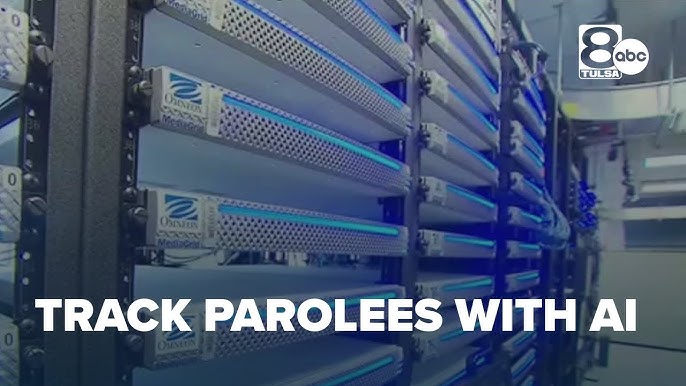
It can provide tools for individuals to access resources and get coaching on things like job searches or parole compliance (Microsoft, 2026).
AI can also monitor client-officer interactions and provide data-driven recommendations to increase engagement, which often leads to better outcomes (Microsoft, 2026).
Resource allocation:
By predicting outcomes and identifying trends, AI helps departments direct limited resources more effectively to those who need them most (Microsoft, 2026).
Assisting in parole decisions:
AI has been studied to help evaluate parole decisions by analyzing data to predict risk, potentially allowing for more data-driven and equitable release decisions (Microsoft, 2026).
The benefits of using AI can enhance human decision making. AI will never replace the human element within criminal justice; however, AI can improve efficiency, time, and cost savings in parole and probation operations (Microsoft, 2026).
References
Microsoft. (2026). Copilot [Large language model]. https://copilot.microsoft.com
_____________________________________________________________________
Mark Bond has worked in law enforcement and has been a firearms instructor for more than 34 years. His law enforcement experience includes the military, local, state, and federal levels as a police officer and criminal investigator. Mark obtained a BS and MS in criminal justice, and M.Ed in educational leadership with Summa Cum Laude honors. Mark has a doctoral degree in education (EdD) with a concentration in college teaching and learning. Mark is currently an associate professor of human justice studies and teaches undergraduate and graduate criminal justice courses.