There is an active and ongoing debate as to the role of artificial intelligence within corrections (Microsoft, 2026).
Many local, city, and county jails are embracing the benefits of using artificial intelligence (AI) to make their facilities safer and more efficient (Microsoft, 2026). For example, security cameras strategically positioned throughout the facility can quickly analyze AI algorithms to detect at-risk behaviors and stop an incident before it starts (Microsoft, 2026). The algorithms are designed to recognize and analyze patterns and behaviors that may indicate potential safety or security violations (Microsoft, 2026). This includes the detection of unauthorized movement, identification of aggressive behavior, visitor marioneting, recognition of contraband, screening calls and mail, and real-time monitoring of inmate activity (Microsoft, 2026).
Implementing AI in corrections has the potential to impact a wide range of agency operations that facilitate making decisions and performing tasks (Microsoft, 2026). For example, AI technologies can determine whether a pretrial defendant should be detained in jail, home arrest, health assessment, facilitate the selection of rehabilitation services suitable for various offender needs, assist in determining whether a prisoner should be granted parole, and assist in determining appropriate case management for community supervision (Microsoft, 2026).
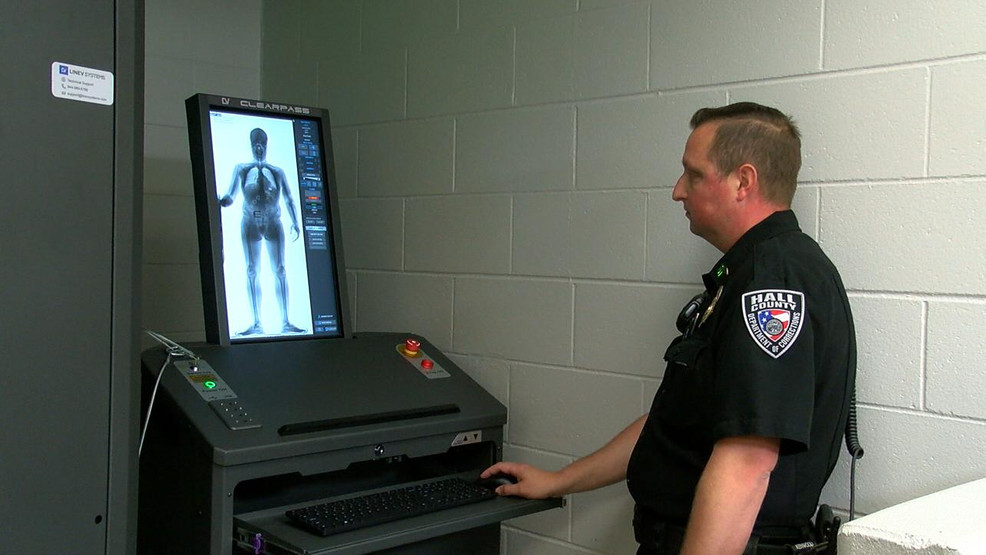
Then there’s increased efficiency. AI can streamline jail, prison, or detention center operations by automating tasks like scheduling, inmate medication management, and even preliminary risk assessments (Microsoft, 2026). This can help alleviate the burden on officers, allowing them to focus on direct supervision, inmate interaction, and maintaining safety, and security. This is especially valuable in the current landscape of correctional facilities, which are often plagued by staffing and equipment shortages (Microsoft, 2026).
Technology is developing and being adapted faster than legislation can keep up (Microsoft, 2026). Recently the courts have seen their first cases of AI, privacy, legal search, prisoner rights, etc. (Microsoft, 2026). Good ethical decision making by policymakers can help guide best practices for AI use within corrections (Microsoft, 2026).

References
Microsoft. (2026). Copilot [Large language model]. https://copilot.microsoft.com
_________________________________________________________________________________________
Mark Bond has worked in law enforcement and has been a firearms instructor for more than 34 years. His law enforcement experience includes the military, local, state, and federal levels as a police officer and criminal investigator. Mark obtained a BS and MS in criminal justice, and M.Ed in educational leadership with Summa Cum Laude honors. Mark has a doctoral degree in education (EdD) with a concentration in college teaching and learning. Mark is currently an associate professor of human justice studies and teaches undergraduate and graduate criminal justice courses.