AI is used in highway control operations for real-time traffic management, predictive analysis, and safety enhancements (Microsoft, 2026). It optimizes traffic signal timing dynamically, predicts congestion, detects incidents faster, and can improve the flow of emergency vehicles (Microsoft, 2026). AI also supports law enforcement with tasks like identifying seatbelt violations or distracted driving, and it is increasingly used for structural monitoring and long-term planning (Microsoft, 2026).
Real-Time Traffic Management
Dynamic signal control: AI adjusts traffic lights based on real-time conditions from sensors, cameras, and GPS data, rather than relying on preset schedules (Microsoft, 2026).
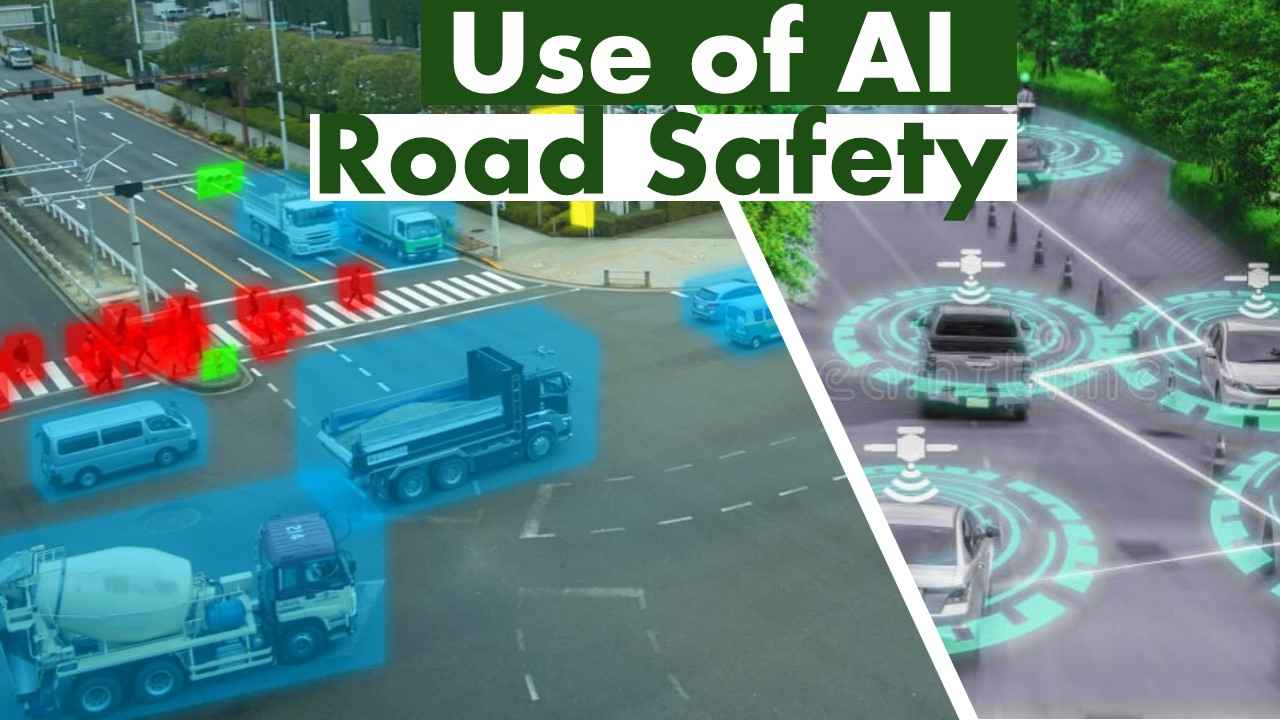
Traffic flow optimization: By analyzing current data, AI can prioritize green lights for heavily congested areas or emergency vehicles to reduce delays (Microsoft, 2026).
Network-wide adjustments: AI systems can make coordinated, real-time adjustments across an entire network to improve flow and reduce congestion (Microsoft, 2026).
Predictive Analysis and Planning
Congestion forecasting: AI analyzes historical and live traffic data to predict traffic patterns and congestion up to an hour in advance (Microsoft, 2026).
Incident detection: It can automatically detect and report incidents faster than traditional methods, accelerating response times (Microsoft, 2026).
Scenario simulation: Cities can use AI to test and simulate traffic management scenarios before implementing them, ensuring they are effective (Microsoft, 2026).
Long-term planning: By analyzing data from sensors, cameras, and other sources, AI can help engineers identify long-term solutions for safety and flow (Microsoft, 2026).
Safety and Enforcement
Incident response: AI can trigger automated alerts and dispatch emergency services when hazards are detected or predicted (Microsoft, 2026).
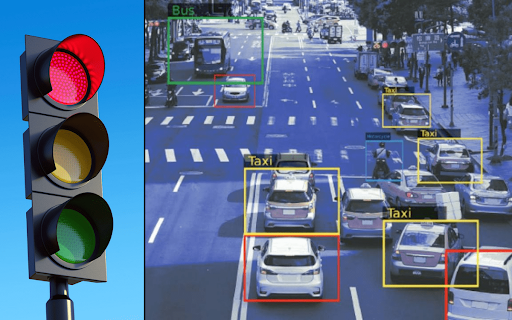
Vulnerable road user detection: AI-powered cameras can detect vulnerable road users like pedestrians and cyclists and adjust signals to give them more time (Microsoft, 2026).
Driver behavior monitoring: AI can be used by cameras to identify and ticket drivers who are texting, not wearing seatbelts, or otherwise violating traffic laws (Microsoft, 2026).
Structural monitoring: AI systems can monitor infrastructure, such as bridges, for signs of deterioration (Microsoft, 2026).
References
Microsoft. (2026). Copilot [Large language model]. https://copilot.microsoft.com
_____________________________________________________________________
Mark Bond has worked in law enforcement and has been a firearms instructor for more than 34 years. His law enforcement experience includes the military, local, state, and federal levels as a police officer and criminal investigator. Mark obtained a BS and MS in criminal justice, and M.Ed in educational leadership with Summa Cum Laude honors. Mark has a doctoral degree in education (EdD) with a concentration in college teaching and learning. Mark is currently an associate professor of human justice studies and teaches undergraduate and graduate criminal justice courses.