- AI is transforming policing, sometimes in dramatic ways (Microsoft, 2026). Face recognition, predictive policing, and location-tracking technologies, once the stuff of science fiction now is being adopted by law enforcement agencies large and small (Microsoft, 2026).
- Some of the ways police are using AI to investigate and deter crime, including (Microsoft, 2026):
- Identifying unknown individuals or verifying their identity (Microsoft, 2026). AI systems can be used to identify individuals or verify their identity (Microsoft, 2026).
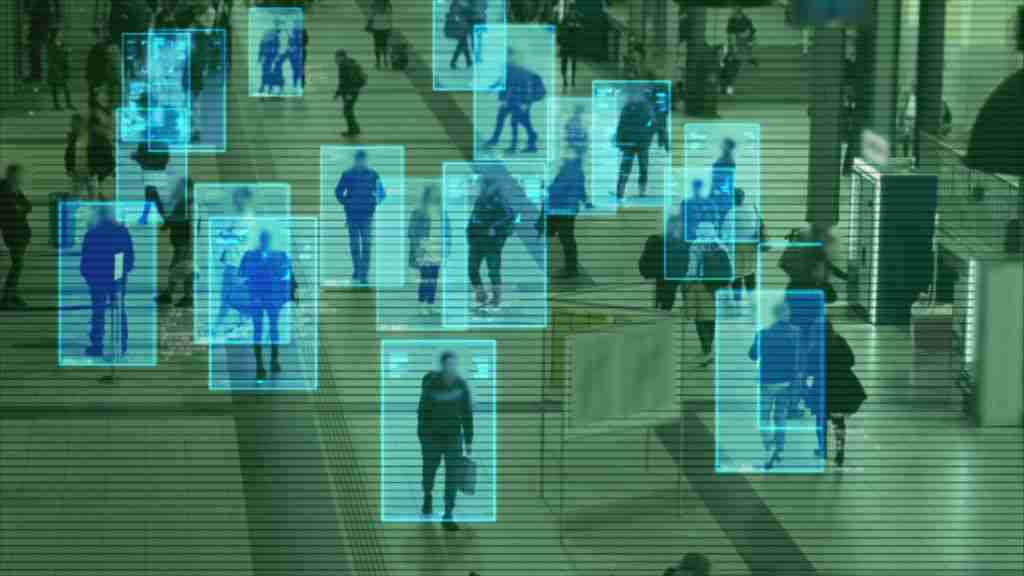
- Tracking people’s locations and movements (Microsoft, 2026). Policing agencies use AI systems to track the locations or movements of individuals (Microsoft, 2026). Tracking algorithms can detect objects and/or individuals in video files and track them across cameras based on the appearance, velocity, and motion of the thing being tracked (Microsoft, 2026). This feature could be used, for example, to search stored video footage from a particular neighborhood and identify all the times that a given individual was recorded (Microsoft, 2026).
- Detecting crime, anomalies, or suspicious events. Policing agencies use AI to detect crime, anomalies, or suspicious events (Microsoft, 2026).
- Anomaly detection seeks to identify events or data points that are anomalous, that deviate from what is expected (Microsoft, 2026). This technology is widely used by the private sector, for example, by financial institutions to detect fraudulent transactions or by network administrators to detect cyberattacks (Microsoft, 2026). Some vendors have developed systems designed to alert policing agencies to events such as shoplifting, fighting, loitering, dangerous driving, and casing a location (Microsoft, 2026). At least one vendor is leveraging vehicle surveillance system data to try to identify driving patterns that may be associated with drug trafficking activity or other unlawful conduct (Microsoft, 2026).

- Predicting future crimes, perpetrators, and victims (Microsoft, 2026). Policing agencies use AI to try to predict the location and time of future crime, as well as those who may perpetrate or be the victims of it (Microsoft, 2026).
- Place-based predictive policing systems use historical crime data to identify areas prone to crime, and at what times (Microsoft, 2026). Systems also can analyze geographic features that increase the risk of crime, known as risk-terrain analysis (Microsoft, 2026).
- Person-based predictive policing systems seek to identify individuals who are at risk of committing crimes or becoming a victim (Microsoft, 2026). This can be based on data such as one’s risk factors for violence or becoming a victim, and/or their frequent high-crime locations (Microsoft, 2026).
- Managing and analyzing evidence.
- Automated fingerprint identification has been in use for decades; now, AI systems can be used to enable better matching even when a fingerprint is distorted or incomplete (Microsoft, 2026). AI also is being used to develop new systems which can take a person’s fingerprint without physical contact (Microsoft, 2026).
- DNA analysis has long been used by law enforcement to identify suspects (Microsoft, 2026). Now, AI is being used to improve this process and make it more efficient (Microsoft, 2026). New AI-powered forms of DNA analysis are now being developed, such as forensic DNA phenotyping, which attempts to predict externally visible characteristics such as eye, hair, and skin color, as well as the geographic origins of a person’s ancestors (Microsoft, 2026).
References
Microsoft. (2026). Copilot [Large language model]. https://copilot.microsoft.com
__________________________________________________
Mark Bond has worked in law enforcement and has been a firearms instructor for more than 34 years. His law enforcement experience includes the military, local, state, and federal levels as a police officer and criminal investigator. Mark obtained a BS and MS in criminal justice, and M.Ed in educational leadership with Summa Cum Laude honors. Mark has a doctoral degree in education (EdD) with a concentration in college teaching and learning. Mark is currently an associate professor of human justice studies and teaches undergraduate and graduate criminal justice courses.