
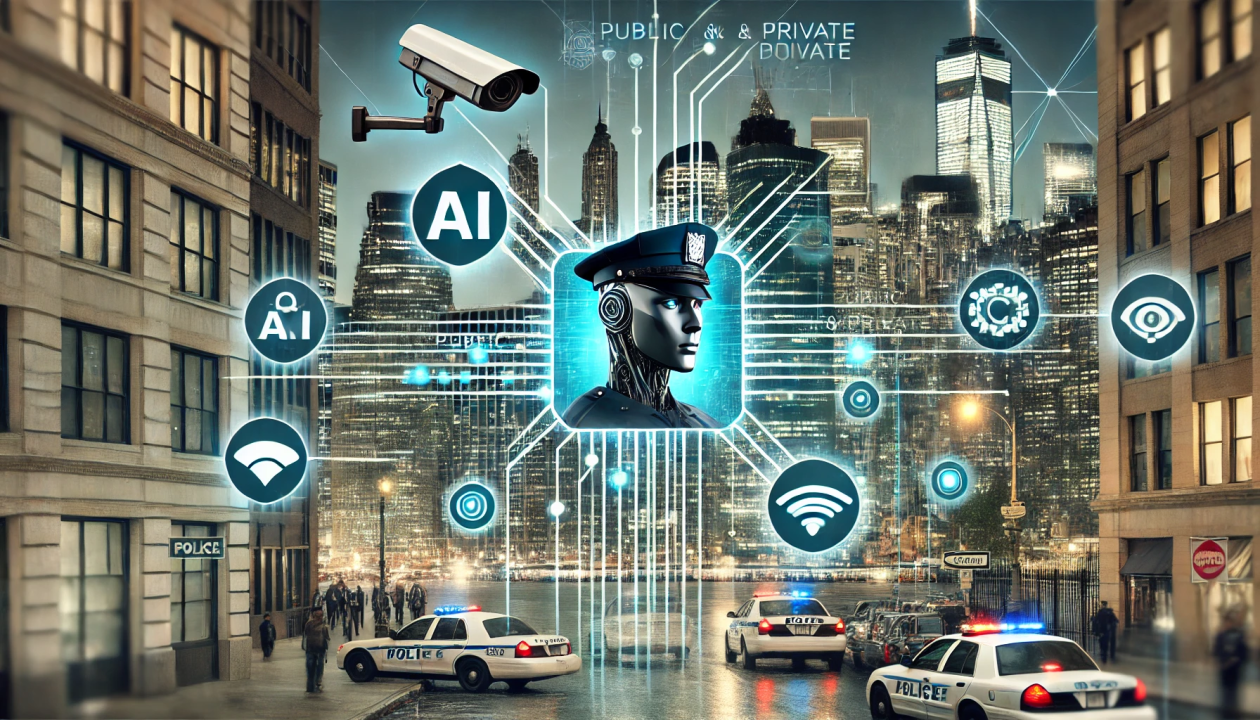
AI is used in community policing to enhance efficiency and communication through applications like automated report writing, real-time data analysis for resource allocation, and predictive policing models. AI tools help officers save time on administrative tasks, improve the speed of incident response, and allow for data-driven decisions on patrol strategies and resource deployment (Microsoft, 2026).
Administrative and Communication Tools
Automated report writing: AI can transcribe audio from body cameras and generate incident reports, saving officers significant time and ensuring clarity (Microsoft, 2026).

Real-time translation: AI can translate different languages on the spot during interactions, improving communication with community members (Microsoft, 2026).
Chatbots for the public: AI-powered chatbots can answer public questions and provide emergency information, improving public relations and information dissemination (Microsoft, 2026).
Data Analysis and Resource Management
Predictive policing: AI models can analyze historical data to identify patterns and predict areas at higher risk for crime, helping law enforcement deploy resources more effectively (Microsoft, 2026).
Resource allocation: AI can analyze data to inform decisions on reallocating resources or modifying patrol strategies to maximize impact (Microsoft, 2026).
Computer-aided dispatch (CAD): AI-enhanced CAD systems use historical data to improve the automation and efficiency of dispatching resources to incidents (Microsoft, 2026).
Investigation and Surveillance
Facial and license plate recognition: AI-powered computer vision tools can assist in identifying individuals and tracking vehicles through automated license plate readers (Microsoft, 2026).
Evidence analysis: AI can help analyze large volumes of data, such as digital evidence from devices and surveillance footage, to identify connections and aid investigations (Microsoft, 2026).
Gunshot detection: AI can analyze data from sensors and cameras to detect gunshots and even identify weapons in some surveillance footage before shots are fired (Microsoft, 2026).
Performance and Accountability
Performance analysis: AI can help leadership analyze officer performance data to identify strengths and weaknesses, allowing for tailored professional development and training programs (Microsoft, 2026).
Bias reduction: Some AI tools can redact sensitive information like race from documents or footage before it’s released, potentially reducing bias in reporting (Microsoft, 2026).
References
Microsoft. (2026). Copilot [Large language model]. https://copilot.microsoft.com
_____________________________________________________________________
Mark Bond has worked in law enforcement and has been a firearms instructor for more than 34 years. His law enforcement experience includes the military, local, state, and federal levels as a police officer and criminal investigator. Mark obtained a BS and MS in criminal justice, and M.Ed in educational leadership with Summa Cum Laude honors. Mark has a doctoral degree in education (EdD) with a concentration in college teaching and learning. Mark is currently an associate professor of human justice studies and teaches undergraduate and graduate criminal justice courses.

 e-Roll Call Magazine