
Within criminology studies, Clifford Shaw and Henry McKay are the criminologists most closely associated with cultural transmission theory.
Cultural transmission theory suggests that criminal behavior is learned through social interactions within a community, particularly from close social groups like peers and family, where norms and values that support criminal activity are passed down from generation to generation. Shaw and McKay argued that essentially these unhealthy relationships and attitudes and behaviors associated with crime infested individuals with a propensity towards criminal activity.
Key points about cultural transmission theory:
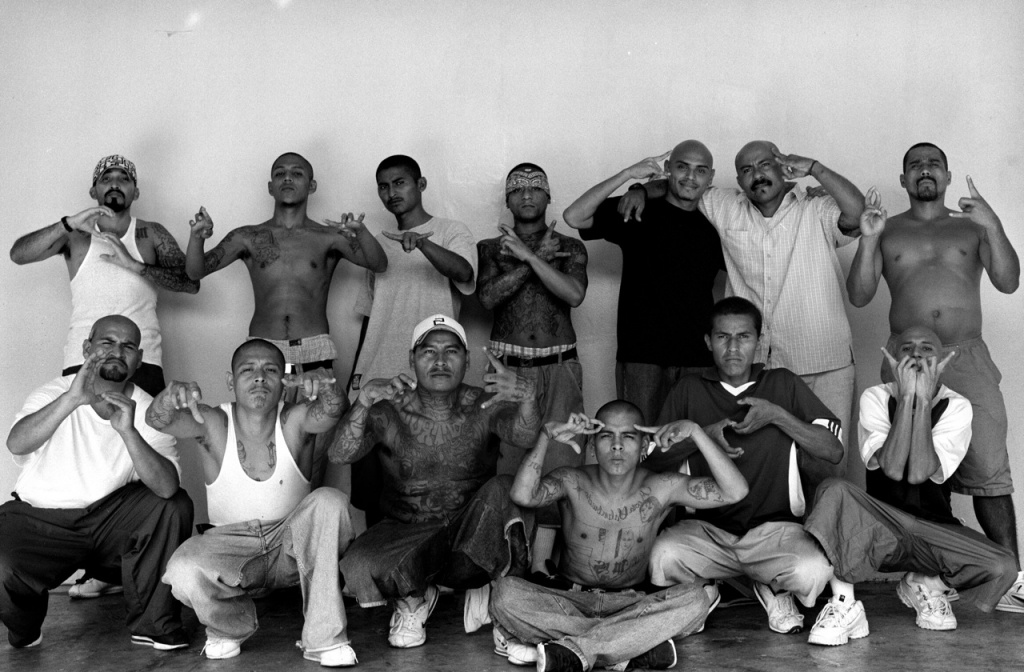
- Social context matters: Crime is not simply an individual choice, but heavily influenced by the social environment and the values that are prevalent within a community.
- Learning through interaction: Individuals learn criminal behaviors through exposure to others who engage in criminal activity, including observing their actions and adopting their attitudes.
- Generational cycle: Criminal norms can be passed down from older generations to younger ones, perpetuating a cycle of crime within certain communities.
Shaw and McKay claimed that cultural transmission theory emphasizes the critical role of culture in shaping individual behavior arguing that criminal behavior is learned through interactions with others exposure to cultural influences that normalize deviant behaviors. Cultural transmission theory has brought a greater understanding of how deviant behavior is associated with criminal youth gangs and organized crime families.
Peer influence plays a significant role in cultural transmission, especially during adolescence when individuals are more susceptible to adopting the behaviors of their peers. Criminal environments can foster attitudes that normalize violence and aggression contributing to the ongoing cycle of crime within certain communities. This peer influence can create an environment where deviance is not only tolerated, but encouraged, reinforcing a cycle of delinquency that continues to perpetuate itself across generations.

By understanding cultural transmission theory, it can help to develop intervention strategies breaking the cycle of criminal behavior.
_____________________________________________________________________
About the Author
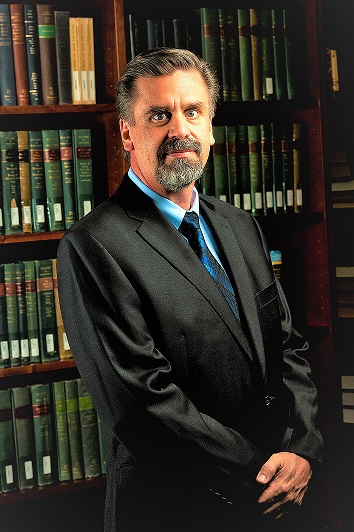
Mark Bond has worked in law enforcement and has been a firearms instructor for more than 33 years. His law enforcement experience includes the military, local, state, and federal levels as a police officer and criminal investigator. Mark obtained a BS and MS in criminal justice, and M.Ed in educational leadership with Summa Cum Laude honors. Mark has a doctoral degree in education (EdD) with a concentration in college teaching and learning. Mark is currently an associate professor of human justice studies and teaches undergraduate and graduate criminal justice courses.
 e-Roll Call Magazine